4 Hour Beginner Fishing Charter Gulfport MS
The Mississippi Gulf Coast delivers some of the most productive inshore fishing in the region, and Captain Ben's Charters puts you right in the middle of it all. This 4-hour trip targets the waters around Gulfport where redfish patrol the grass flats, cobia cruise the near-shore structures, and Spanish mackerel school up in massive numbers. Perfect for first-timers or anyone looking to get back into fishing without the intimidation factor. Captain Ben keeps things relaxed while making sure you actually catch fish – no standing around hoping for the best.
What to Expect on the Water
You'll launch from Gulfport's harbor and head into waters that consistently produce fish year-round. The boat handles up to six anglers comfortably, giving everyone space to cast without tangling lines or bumping elbows. Captain Ben reads these waters like a local newspaper – he knows where the redfish are tailing in shallow water, which structure holds cobia, and when the mackerel are running thick. The trip stays within the inshore and nearshore zones, meaning you're not dealing with rough seas or long boat rides. Most of your fishing happens in 10-40 feet of water where you can actually see what's going on below. The flexible departure times mean you can book around your schedule instead of getting stuck with a crack-of-dawn start if that's not your thing.
Gear Setup & Fishing Methods
Everything's provided – rods, reels, tackle, and fresh bait. Captain Ben runs quality gear that's perfectly matched to the species you're targeting. For redfish, you'll use medium-action spinning rods with live shrimp or cut bait. When cobia are the target, expect heavier tackle and larger baits like blue crabs or pinfish. Spanish mackerel respond well to small spoons and jigs, so you'll get to try different techniques throughout the trip. The captain handles all the rigging and bait prep, but he'll show you how everything works if you want to learn. Bottom fishing, sight casting, and trolling are all part of the mix depending on what's biting and where the fish are holding. No complicated techniques or years of experience required – just follow the captain's lead and you'll be hooking up.
Target Species Breakdown
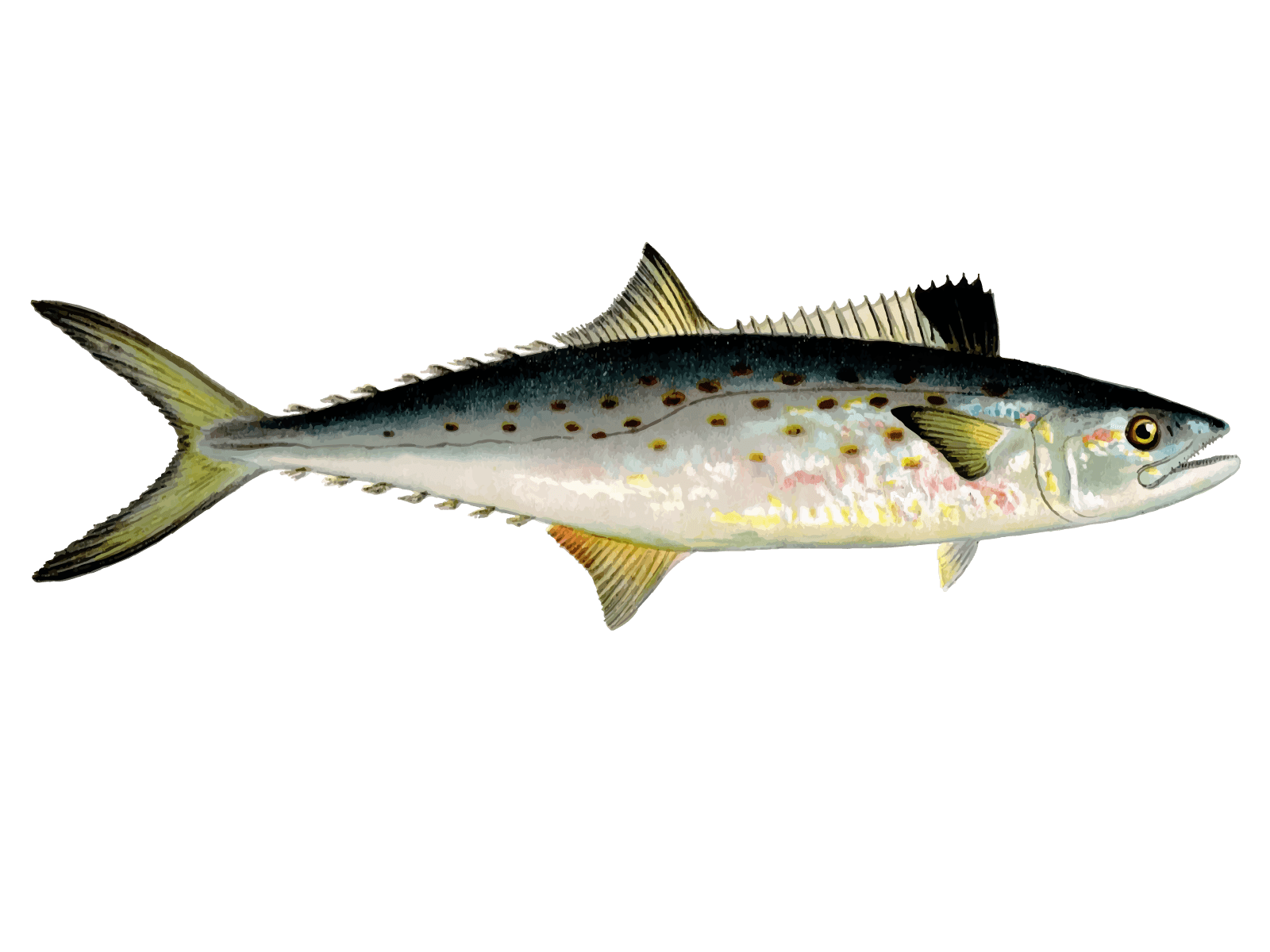
Spanish mackerel are the bread and butter of this fishery, especially during their peak season from spring through fall. These silver rockets hit baits hard and put up a great fight on light tackle. They school up in huge numbers around structure and current breaks, often creating feeding frenzies that'll keep your rod bent for hours. Most run 12-20 inches and they're excellent eating when prepared fresh.
Redfish are the crown jewel of Gulf Coast inshore fishing. These copper-colored bruisers hang around oyster bars, grass flats, and marsh edges where they feed on crabs and shrimp. A good red will pull drag and make multiple runs before you get it to the boat. They're available year-round in these waters, with late summer and fall being particularly productive. The slot-size fish (16-27 inches) are perfect for the dinner table.
Cobia show up as water temperatures climb and stick around through the warm months. These brown sharks look-alikes are curious fish that often cruise near the surface around structure. They're incredible fighters that'll test your drag system and arm strength. Most cobia in these waters run 20-40 pounds, though bigger ones always show up to surprise you. They're among the best eating fish in the Gulf.
Jack crevalle earn their reputation as the bullies of the inshore waters. These broad-shouldered fighters pull harder than fish twice their size and never give up easily. They're not great table fare, but they're perfect for anglers who want to feel their drag screaming. Jacks are year-round residents that school up and feed aggressively, making them a reliable backup when other species are finicky.
Blacktip sharks add serious excitement to any fishing trip. These sleek predators are common in the nearshore waters and known for their spectacular jumps when hooked. Most blacktips you'll encounter run 3-6 feet and provide heart-pounding action on fishing gear. They're catch-and-release only, but the experience of fighting a shark is something every angler should try at least once.
Time to Book Your Spot
Captain Ben's 4-hour beginner-friendly charter delivers exactly what it promises – good fishing, patient instruction, and a comfortable day on the water. The Mississippi Gulf Coast fishery produces fish consistently, and this trip puts you in position to catch them without overwhelming beginners or boring experienced anglers. Quality gear, local knowledge, and flexible scheduling make this a top-rated option for anyone visiting Gulfport. Whether you're looking to introduce kids to fishing, get back into the sport after time away, or just want a relaxing day catching fish, this charter fits the bill perfectly. Book your dates early, especially during peak season when the fishing is hot and spots fill up fast.
Learn more about the species
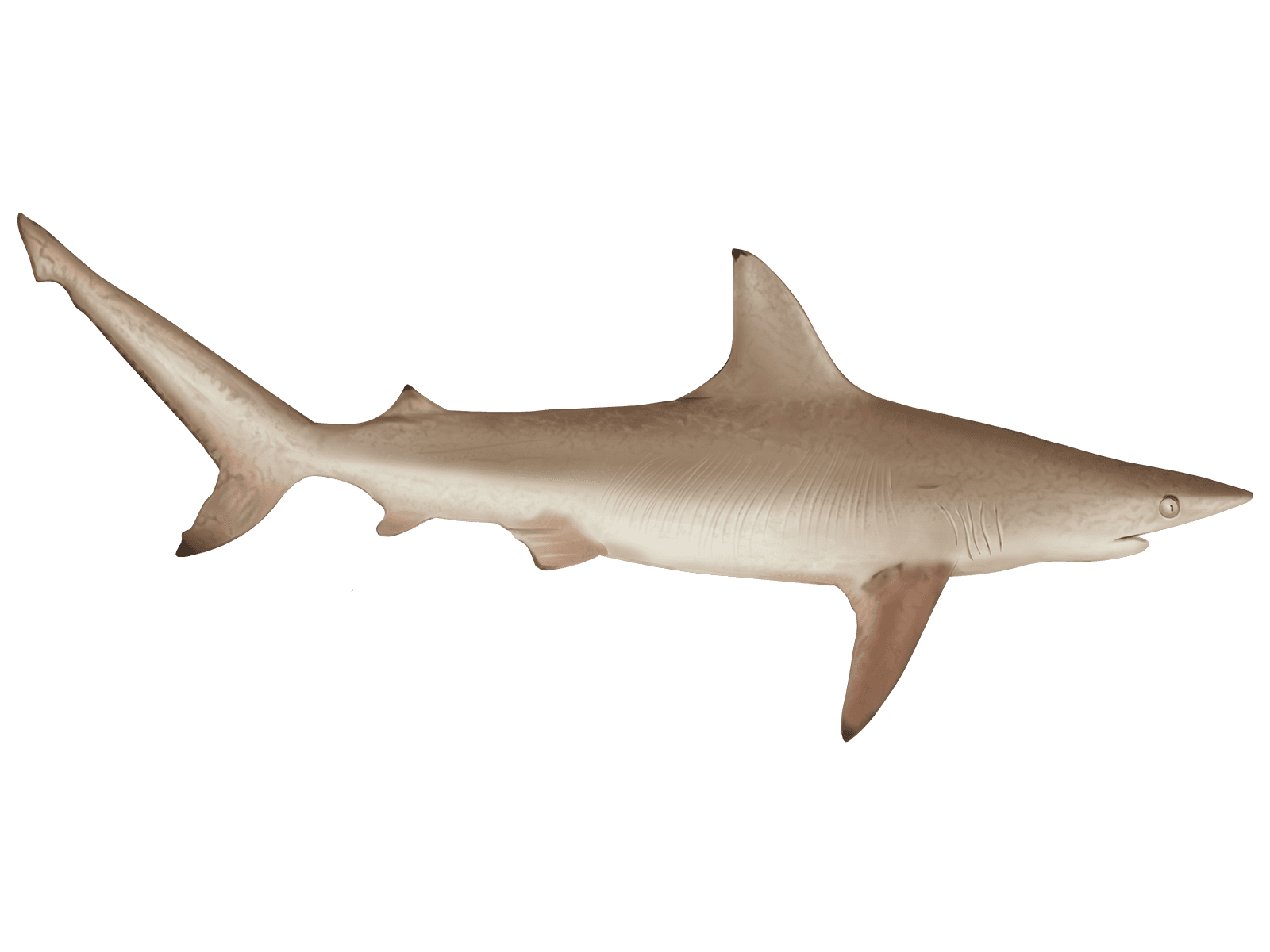
Blacktip Shark
Blacktip sharks are easily spotted by those distinctive black-tipped fins and typically run 4-5 feet, though bigger ones hit 8+ feet. These guys are surprisingly athletic - they'll jump clean out of the water when hooked, sometimes right into the boat! You'll find them cruising in 30-100 feet around artificial reefs and structure where they hunt mackerel and croaker. Spring through fall gives you the best action when water temps warm up. Guests love the fight these sharks put up, plus that acrobatic show. They're actually pretty timid despite their reputation, so they spook easy. My tip: use heavy braided line with circle hooks and get that chum going with oily bait like mackerel. Once you smell that fish scent in the water, they'll come looking.
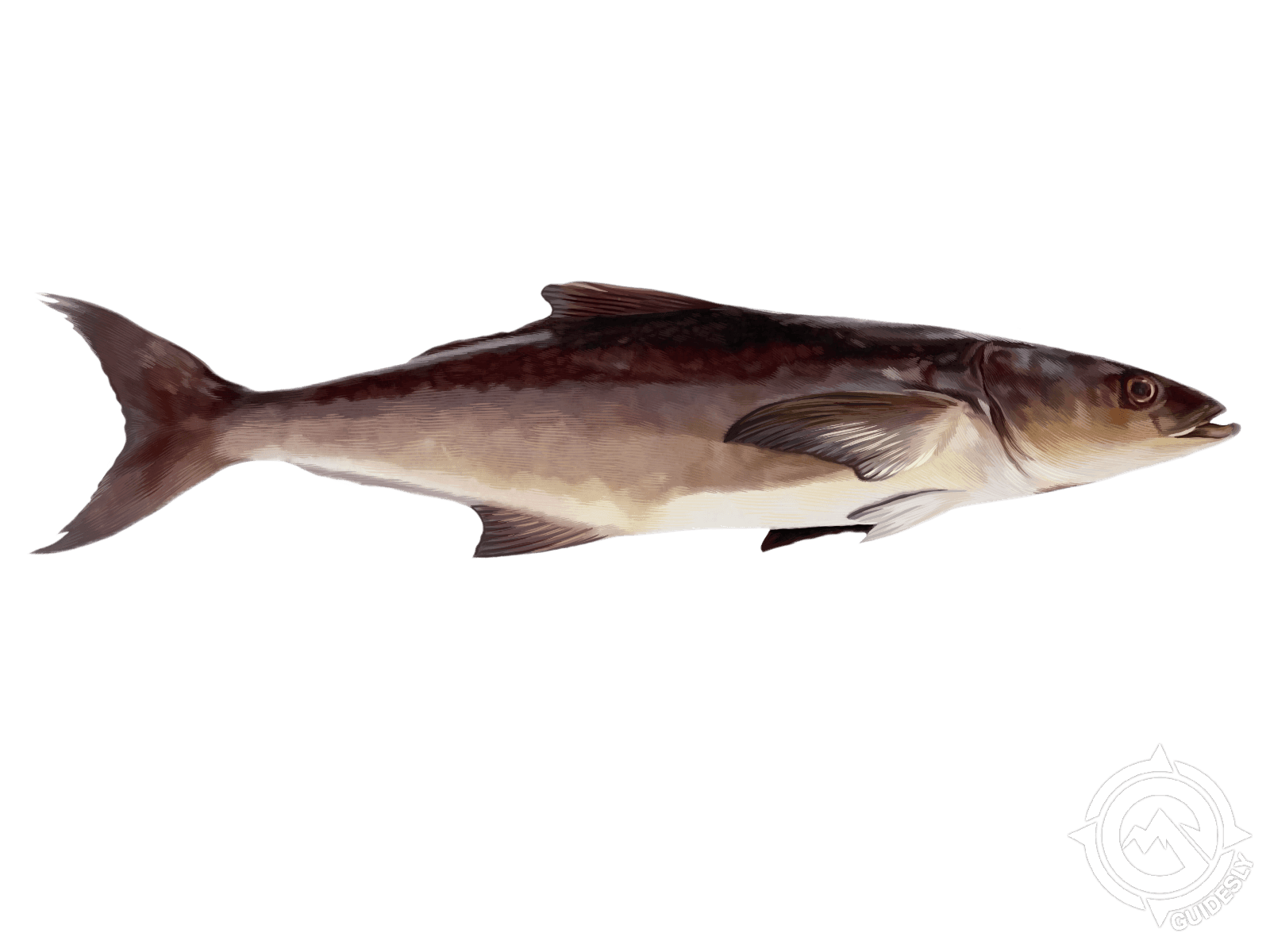
Cobia
Cobia are brown, torpedo-shaped fish that average around 30-40 pounds but can hit 100+ pounds. People mistake them for sharks because of that single dorsal fin until they get close. You'll spot them cruising solo around structure - oil rigs, buoys, and wrecks in 30-70 feet of water. Spring migration from March through June is prime time when they're moving and feeding heavy. What makes cobia special is the fight and the table fare - firm, white meat that's restaurant quality. They're curious fish and will actually follow the boat sometimes. These aren't schooling fish, so when you see one, work it hard. My go-to trick is a brown or orange bucktail jig bounced near bottom around structure. Color matters less than action, but keep it moving steady.
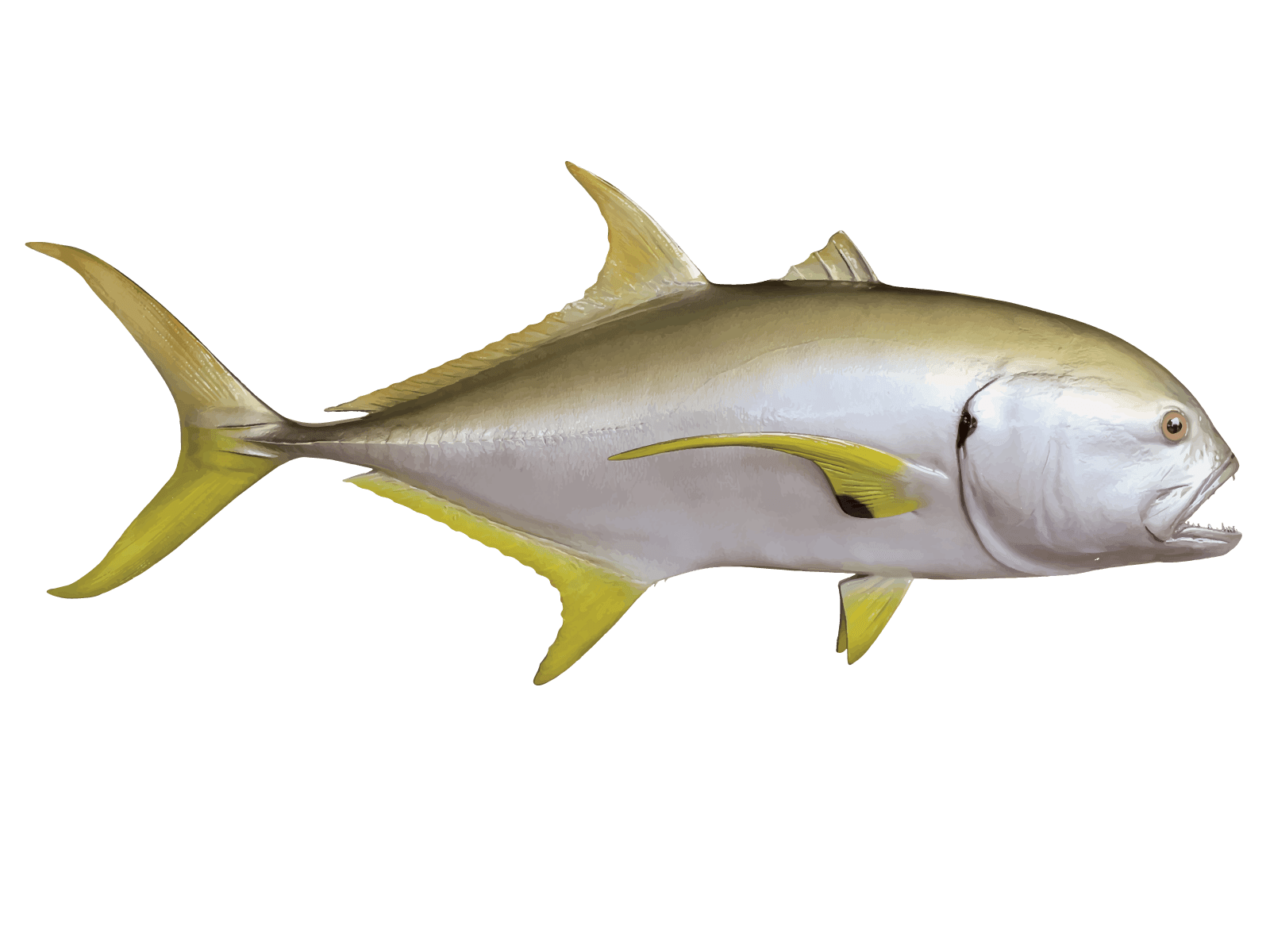
Crevalle Jack
Jack crevalle are the bulldogs of the Gulf - thick, powerful fish that average 3-5 pounds but can push 20+ pounds. They've got that brassy green back with yellow fins and they travel in aggressive schools. Look for them around grass flats, oyster bars, and nearshore structure in 10-40 feet. Spring through fall they're active, especially when baitfish are thick. What guests love is the pure power - pound for pound these are some of the strongest fish around. They'll bend your rod in half and never quit fighting. Watch for diving birds - that's your biggest tip-off. When jacks push bait to the surface, birds go crazy feeding. Cast silver spoons or fast-moving lures past the school and rip them back through. The faster the better with these aggressive feeders.
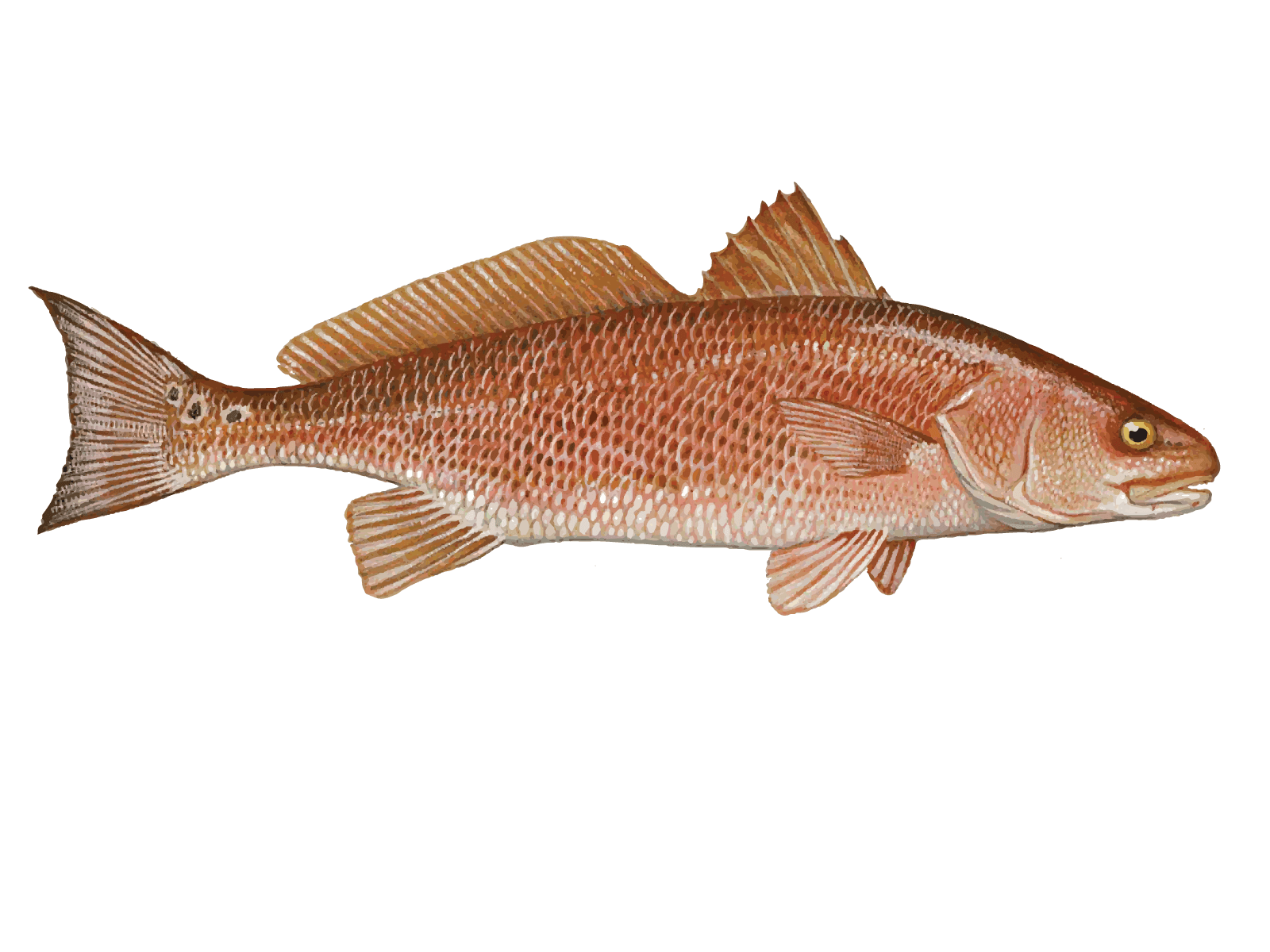
Redfish
Redfish are the bread and butter of inshore fishing - copper-colored fish with black spots near the tail that average 18-28 inches. They love super shallow water, sometimes so shallow their backs stick out. You'll find them on grass flats, around oyster bars, and in back bays where they root around for crabs and shrimp. Fall and spring are peak times when they school up heavy. What makes reds special is they eat great, fight hard, and are perfect for beginners - they're not too picky about baits. Those black spots fool predators into attacking the wrong end so they can escape. My best tip for sight fishing: look for that copper flash or nervous water where they're feeding. A gold spoon worked slow through shallow grass is deadly, but don't spook them - they're spookier than people think.
Spanish Mackerel
Spanish mackerel are fast, silver bullets with yellow spots that typically run 1-2 feet and 2-4 pounds. They're built for speed and travel in big schools near the surface. You'll find them around nearshore structure, piers, and open water in 15-50 feet from spring through fall when water temps hit the 70s. What people love is the nonstop action - when you find a school, it's fish after fish. Plus they're excellent eating with mild, white meat that grills perfectly. These fish are speed demons, so fast retrieves work best. My trick is small silver spoons or gotcha plugs cast ahead of the school and burned back fast. Don't cast right into them or you'll spook the whole bunch. Once hooked, get them in quick - their razor teeth will cut through light leaders in a heartbeat.
About the Reel Adventure

Vehicle Guest Capacity: 6
Manufacturer Name: Cummins
Maximum Cruising Speed: 20
Number of Engines: 2
Horsepower per Engine: 330