Gulfport Inshore Charter with Captain Ben
Captain Ben's Charters offers some of the best inshore and offshore fishing you'll find along the Mississippi Gulf Coast. Whether you're a weekend warrior looking to bend some rods or a seasoned angler wanting to explore new waters, this 4- or 5-hour trip delivers the goods. With flexible departure times and a captain who knows these waters like the back of his hand, you'll be targeting everything from hard-fighting redfish in the shallows to bruiser cobia in deeper waters. The boat handles both calm bay runs and offshore adventures, so you're covered no matter what Mother Nature throws at you.
What to Expect on the Water
Your day starts with Captain Ben sizing up conditions and discussing what species are biting best. If the inshore bite is hot, you'll work the grass flats, oyster bars, and structure where sheepshead, redfish, and sea trout love to hang out. When offshore conditions are prime, it's time to chase the bigger players like cobia, jack crevalle, and even blacktip sharks. The boat comes loaded with quality gear, fresh bait, and all the tackle you'll need, so just bring yourself and maybe some snacks if you get hungry. Captain Ben keeps group sizes small at just 4 anglers max, which means more personalized attention and better fishing for everyone. He's also available before your trip to chat about what to expect, so you can show up ready to fish instead of guessing what you're getting into.
Techniques & Prime Spots
Inshore fishing around Gulfport means working a variety of techniques depending on what's biting. You'll be sight-casting to cruising redfish, bouncing jigs around oyster bars for sheepshead, and working live bait under popping corks for sea trout. The shallow grass flats come alive during moving tides, and Captain Ben knows exactly which spots fire up at different times of day. When you head offshore, the game changes to heavier tackle and bigger baits. You might be free-lining live bait for cobia around buoys and structure, or working the drop-offs where jack crevalle school up in massive numbers. The Gulf of Mexico offers incredible diversity just a short run from the marina, with productive waters ranging from 10 feet to 60+ feet deep. Captain Ben reads the conditions and adjusts the game plan accordingly, whether that means working inshore structure during rough weather or making the offshore run when seas lay down.
Top Catches This Season
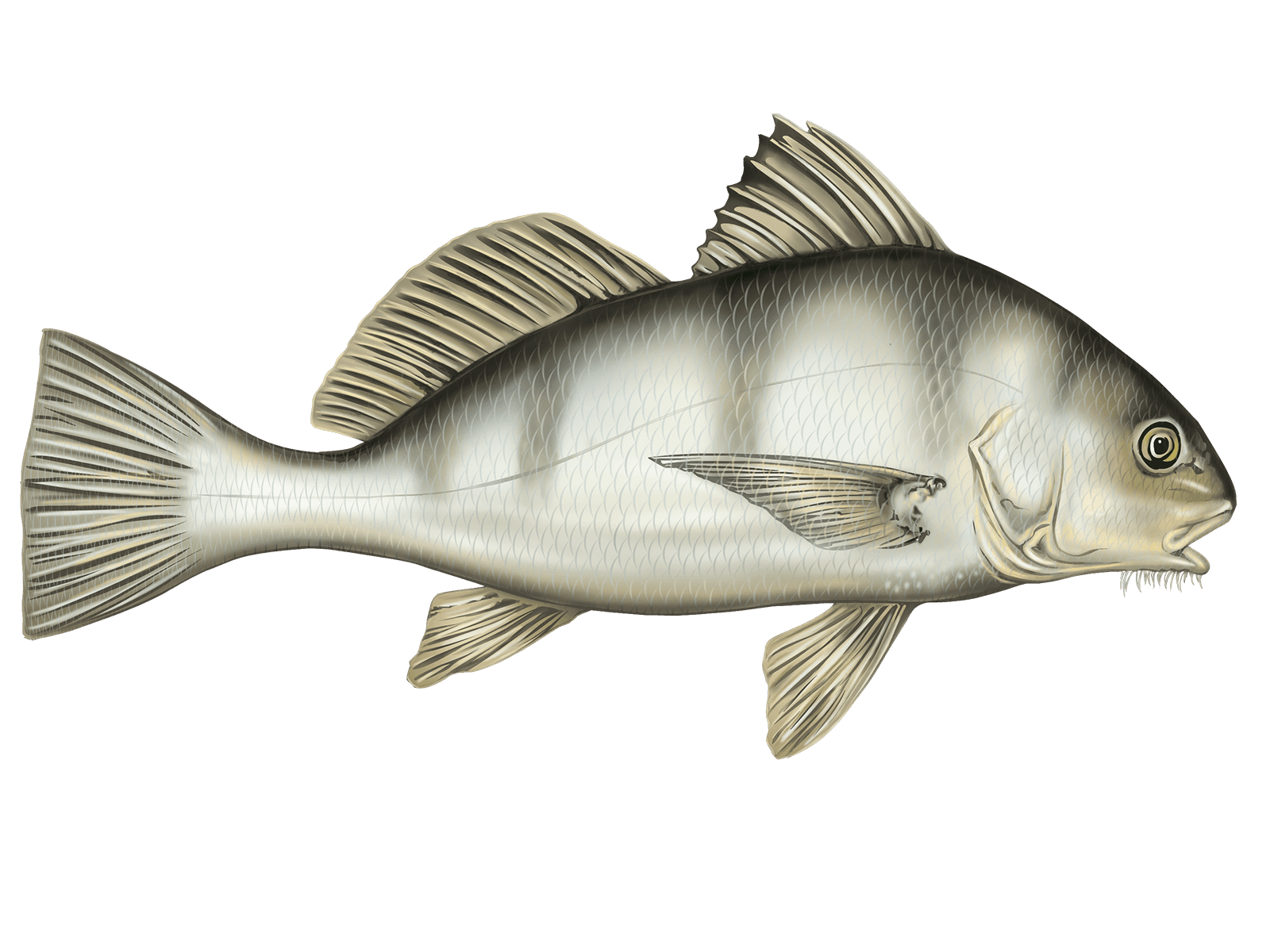
Black drum are absolute bruisers that'll test your drag system and your patience. These bottom-dwellers cruise the shallow flats and around structure, often weighing 20-40 pounds with some monsters pushing 60+ pounds. Spring and fall are prime times when they move into the shallows to feed on crabs and shellfish. What makes them special is their bulldogging fight - they don't jump like a tarpon, but they'll pull steady and hard until your arms burn. The thrill comes from that first powerful run when you realize you've hooked into something serious.
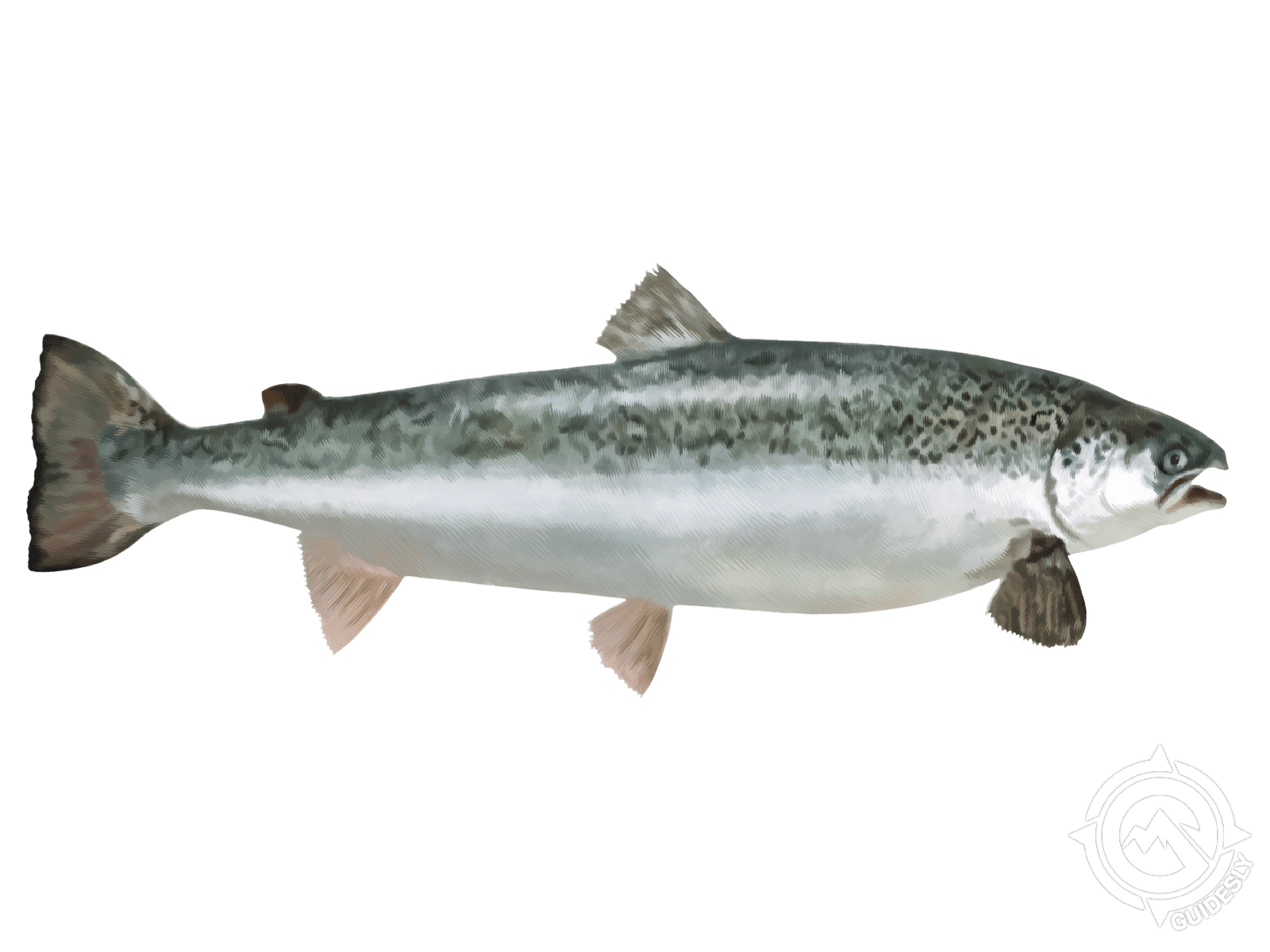
Sea trout are the bread and butter of inshore fishing, and Gulfport's grass flats are loaded with them. These spotted beauties range from schoolie size up to legitimate gator trout over 5 pounds. They're most active during cooler months and low-light periods, making early morning and late afternoon prime time. Sea trout hit live shrimp, soft plastics, and topwater plugs with aggressive strikes that'll get your heart pumping. They're also excellent table fare, which makes them a customer favorite for anglers who like to eat their catch.
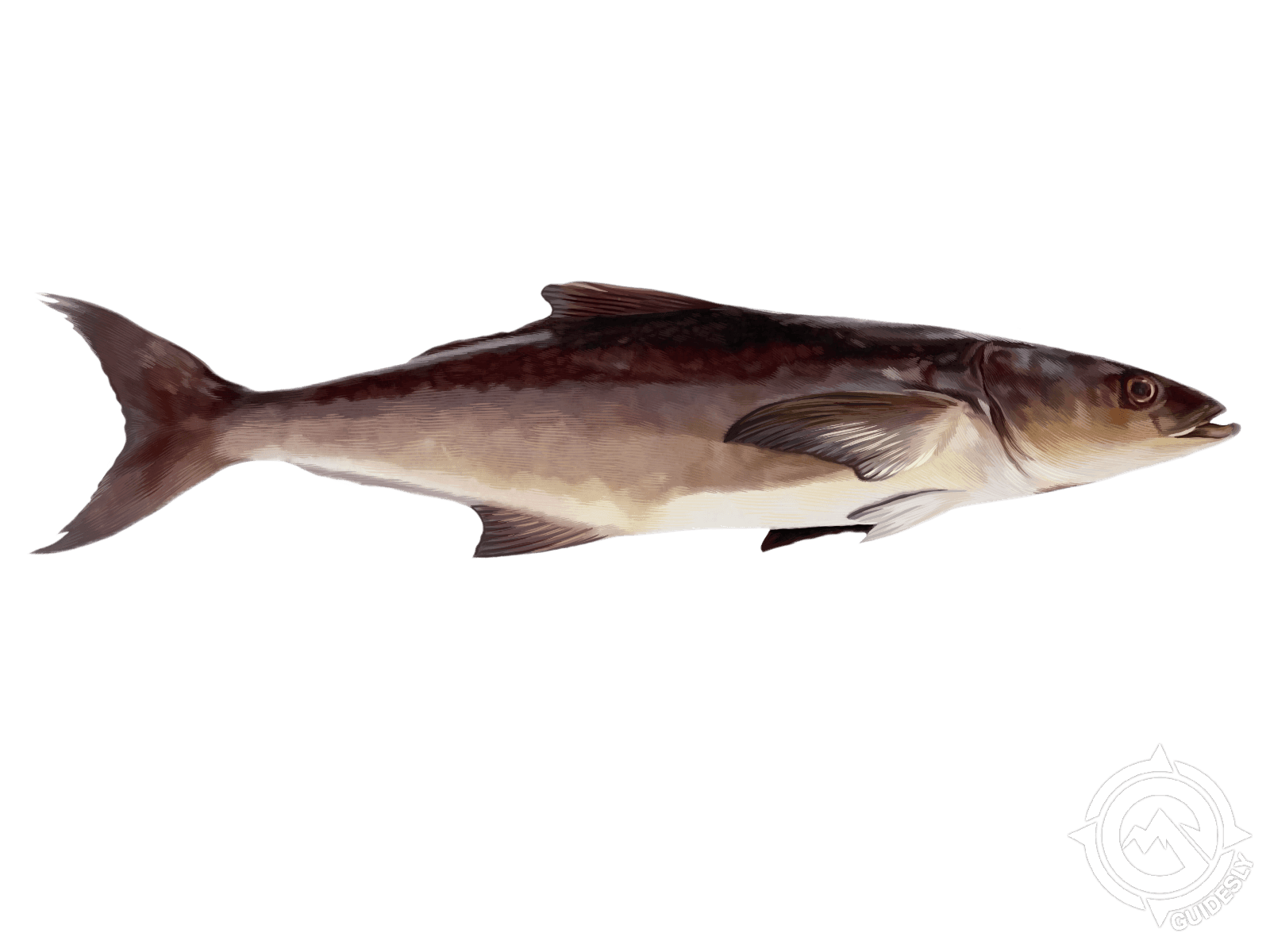
Cobia are the holy grail of Gulf Coast fishing - big, strong, and absolutely delicious. These brown sharks (as some folks call them) cruise around buoys, channel markers, and structure from spring through fall. They're sight-fishing at its finest, often swimming right up to the boat out of curiosity. A good cobia will weigh 30-50 pounds and fight like a freight train, making blistering runs and testing every knot in your rig. The excitement builds when you spot that dark shadow cruising just under the surface, knowing you might be seconds away from the fish of a lifetime.
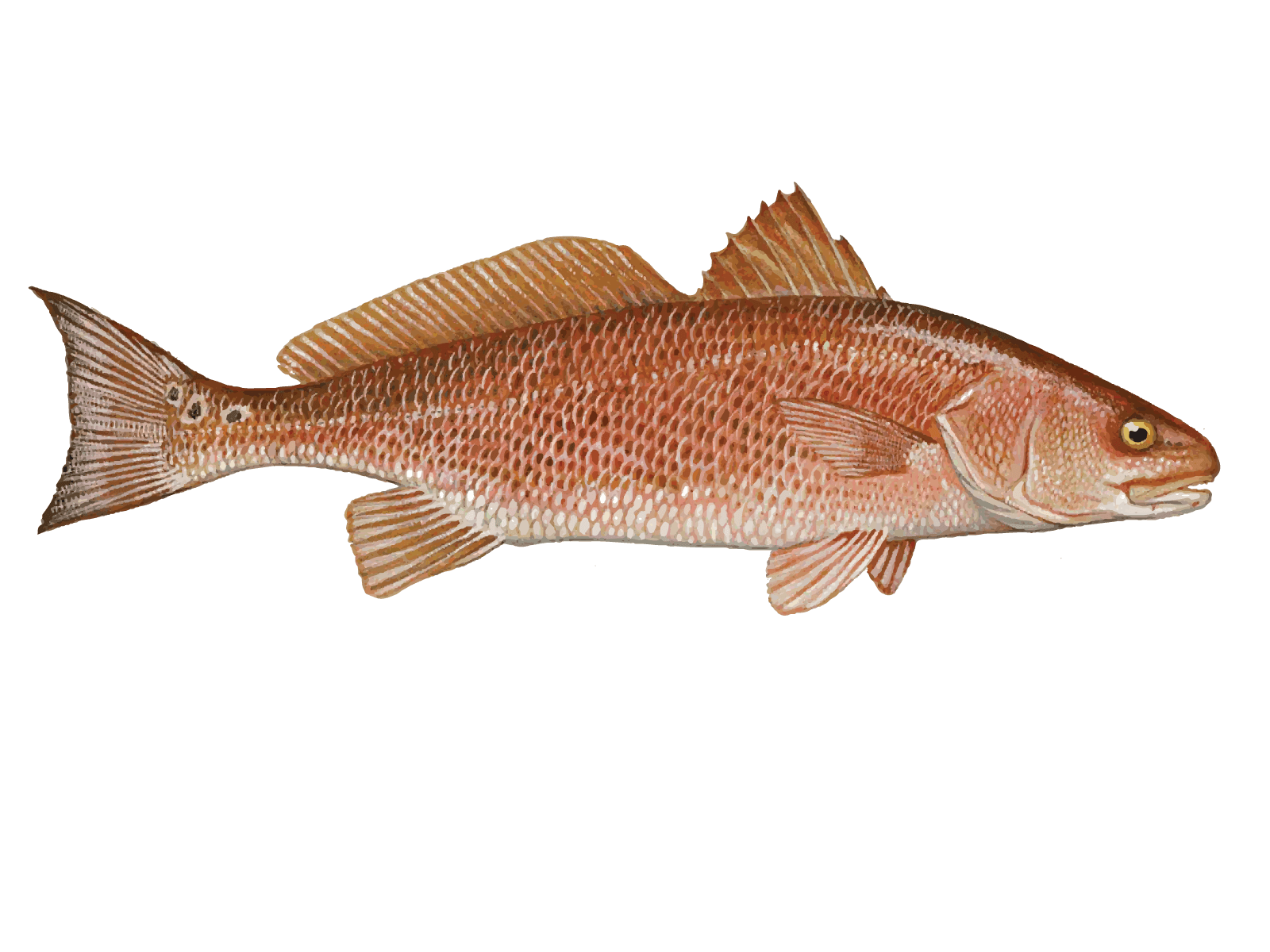
Redfish are the crown jewel of inshore fishing, and Mississippi's marsh country produces some absolute giants. These copper-colored fighters love shallow water, oyster bars, and grass flats where they root around for crabs and baitfish. Reds are year-round residents, but fall brings the best action when they school up in massive numbers. What makes them special is their accessibility - you can catch them sight-fishing in 2 feet of water or blind-casting to structure. They fight hard, pull drag, and make multiple runs before coming to the boat. Plus, they're beautiful fish with that distinctive copper color and black spot near the tail.
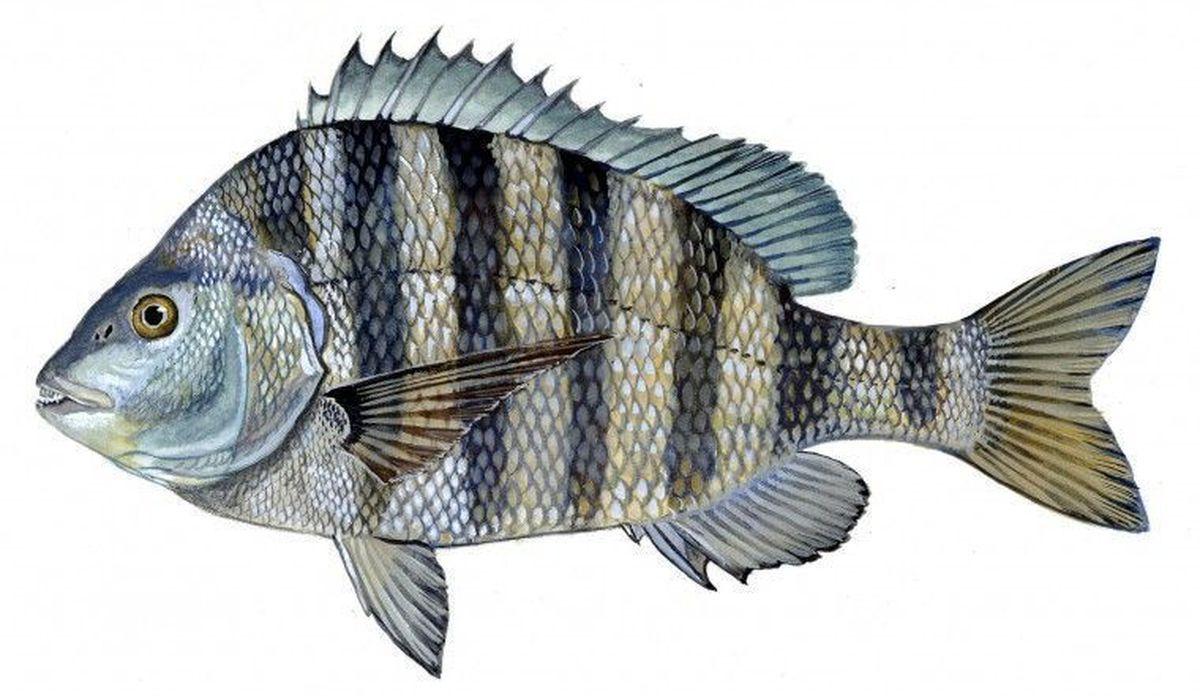
Sheepshead are the convict fish with serious attitude and even more serious table quality. These black-and-white striped brawlers hang around structure like pilings, oyster bars, and reefs where they use their human-like teeth to crush shellfish. Winter months are prime time when they move inshore to spawn. Sheepshead fishing requires finesse and quick reflexes since they're notorious bait stealers, but hook into a good one and you'll appreciate their surprising strength. They're hands-down some of the best eating fish in the Gulf, with firm white meat that's perfect for the dinner table.
Time to Book Your Spot
Captain Ben's Charters delivers the kind of fishing experience that keeps anglers coming back trip after trip. With flexible scheduling, quality equipment, and a captain who puts you on fish, it's everything you want in a Gulf Coast fishing charter. The small group size means you're not fighting for rod space or competing for the captain's attention. Whether you're after a mixed bag of inshore species or targeting offshore giants, this trip adapts to conditions and your preferences. Remember that deposits are non
Learn more about the species
Black Drum
Black drum are the heavyweights of the drum family, running anywhere from 5-30 pounds with some monsters hitting 90+ pounds. These dark, powerful fish love shallow muddy flats and oyster beds where they cruise around crushing shellfish with their strong jaws. Spring is prime time when they school up for spawning - that's when you'll find the best action. They're bottom feeders, so fresh crab or cut bait fished right on the bottom works best. The smaller ones under 15 pounds make excellent table fare with sweet, flaky meat. Here's a local tip: listen for that drumming sound they make - it'll help you locate schools. They're tough fighters that'll test your drag, and their unique croaking calls make them one of the more interesting species we target.
Cobia
Cobia are one of our premier offshore targets, averaging 20-40 pounds but capable of reaching 100+ pounds. These brown, shark-looking fish are usually found alone around structure like oil rigs, buoys, and wrecks in 30-100 feet of water. Late spring through summer is peak season when they move inshore to spawn. What makes cobia special is they're often sight-fished right at the surface, giving you that visual excitement before the fight. They're also outstanding table fare with firm, white meat that tastes similar to shark. These fish are aggressive predators that'll crush bucktail jigs or large swimbaits. Here's my go-to trick: when you spot one at the surface, cast well ahead of where it's swimming and work your bait back into its path - they're curious and will usually investigate.
Redfish
Redfish are the bread and butter of our inshore trips, running 18-30 inches with that classic bronze color and black spot near the tail. They thrive in super shallow water - sometimes so shallow their backs stick out - around oyster reefs, grass flats, and marsh edges. Year-round fishing is good, but fall brings the best action when they school up in big numbers. What guests love most is the explosive topwater strikes and strong fights in shallow water. They're also great eating when kept within slot limits. These fish aren't picky eaters and will hit live shrimp, soft plastics, or topwater plugs. My best advice: look for nervous water or "waking" fish on calm mornings. When you see that V-wake in shallow water, that's likely a cruising red looking for breakfast. Cast ahead of the wake and hang on.
Sea Trout
Speckled trout are some of the most popular inshore fish we target, typically running 1-5 pounds with those distinctive black spots covering their silver bodies. They love grass flats and shallow bays, especially during low light conditions at dawn and dusk. Spring through fall gives us the best fishing, though they school up in deeper water during winter months. What makes them special is their willingness to hit both live bait and artificials - shrimp under popping corks or soft plastics work great. They're also excellent eating with delicate white meat that's perfect for the dinner table. One tip I always share: when you feel that light tap, don't set the hook too hard - their mouths are soft and you'll pull the hook right out. Work the edges of grass beds and you'll find them.
Sheepshead
Sheepshead are the convict fish of the Gulf with their black and white stripes and human-like teeth. Most run 2-8 pounds, though we occasionally hook into 15+ pounders around heavy structure. You'll find them tight to anything with barnacles - docks, pilings, jetties, and oil rigs. Winter and early spring are prime time when they move inshore to spawn. What makes them challenging and fun is they're notorious bait thieves with those crushing teeth, but they're also some of the best eating fish in the Gulf with sweet, white meat. Fresh shrimp or fiddler crabs work best, but you need to feel every nibble. Here's the key: when you feel them picking at your bait, don't wait - set that hook hard and fast or they'll clean you off every time. Keep your bait tight to structure.
About the Reel Adventure

Vehicle Guest Capacity: 6
Manufacturer Name: Cummins
Maximum Cruising Speed: 20
Number of Engines: 2
Horsepower per Engine: 330